WIT Studio Banned Generative AI: Nobody Checked the Opening
WIT had a stated no-AI rule, a president who called AI a threat and no step in the pipeline where anyone verified either one.
Product management, pop punk, anime, game dev and the spaces between.
WIT had a stated no-AI rule, a president who called AI a threat and no step in the pipeline where anyone verified either one.
Infold Games cancelled Love and Deepspace's newest character eight days after revealing him and banned new characters forever. The resourcing complaint that caused the backlash is still unresolved.
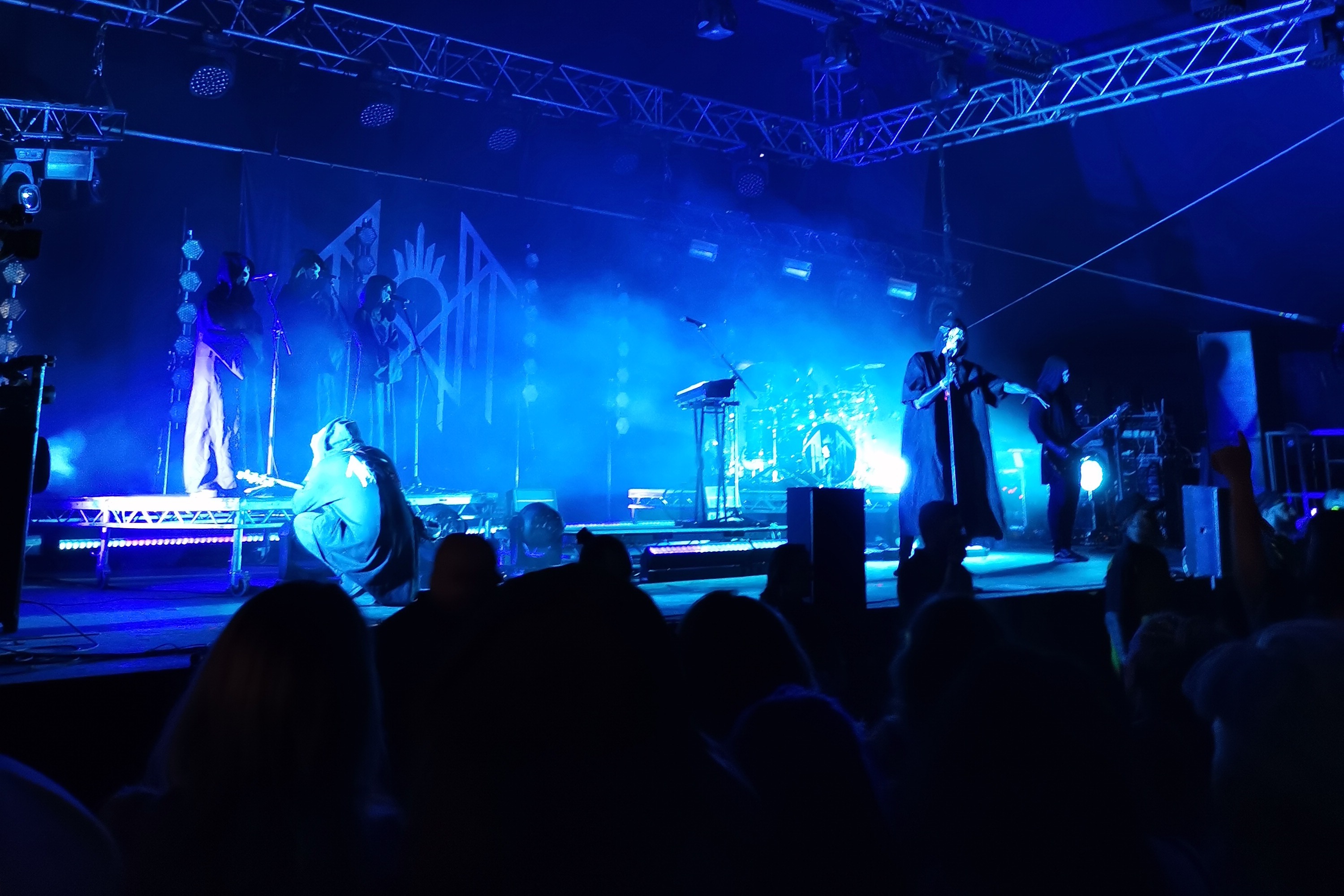
For three months in 2025, Sleep Token scattered clues across a weather forecast, a print interview and a page source. Then Even in Arcadia entered the Billboard 200 at the top.
Cyberpunk 2077's launch exposed an org chart, not a bug count. The studio tore down how it built games to ship Phantom Liberty.
In a 2005 Japanese drama, a homeroom teacher built a point system that turned twenty-four kids into informants. GE and Microsoft ran the adult version. Both failed for the same reason.
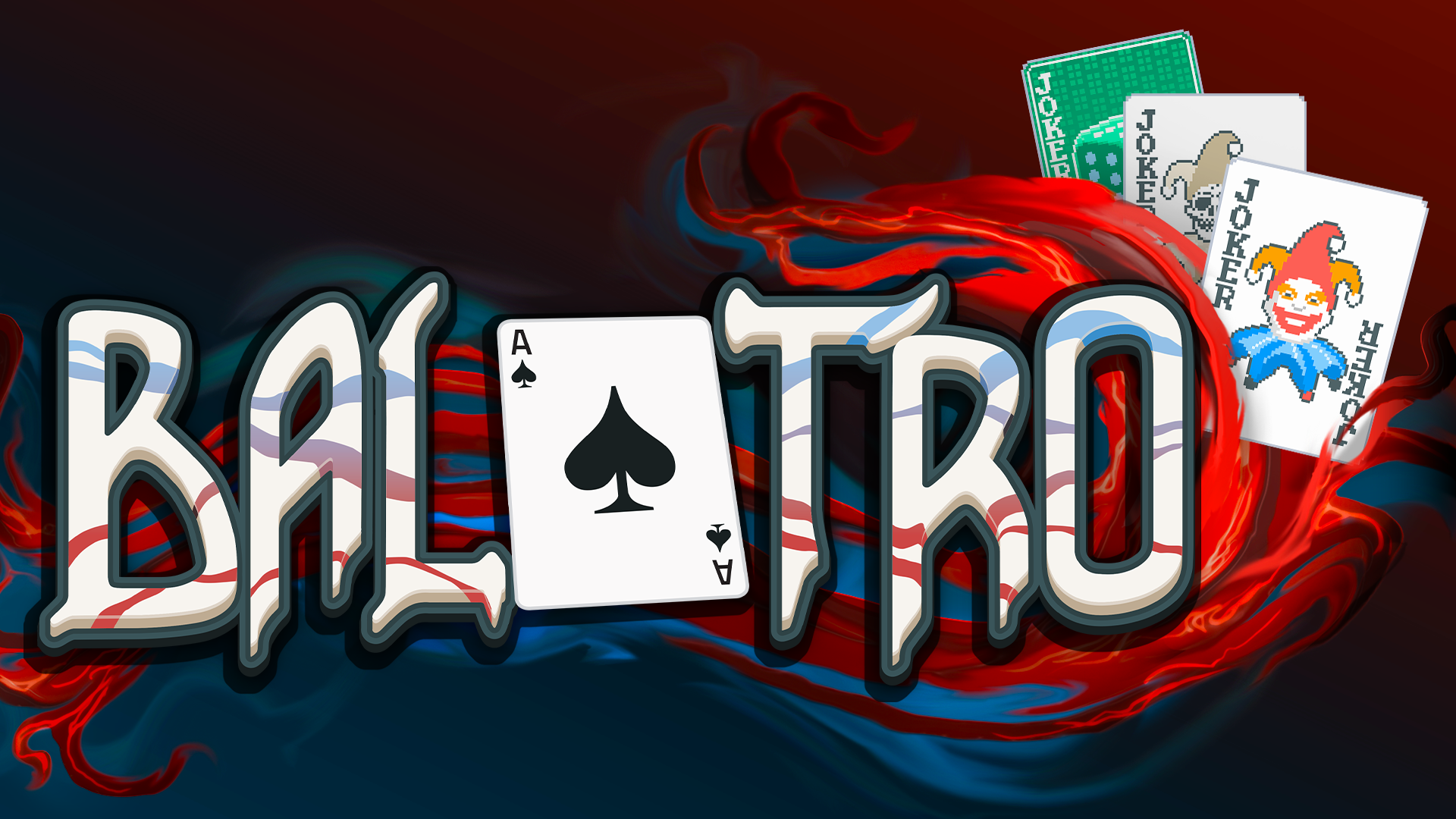
LocalThunk built a math toy in poker clothes. Then the world kept mistaking the costume for the product.
Luna Haruna came from Gothic Lolita fashion, had one prior single and got the closing theme for SAO's messier second half. LiSA had the Aincrad OP. That turned out to matter.
Rakuro Hizakura spent years hunting kusoge, broken games nobody else wanted to touch. When he entered Shangri-La Frontier, 30 million players were already there. None of them had found what he found.
Eric Barone spent four and a half years building Stardew Valley alone. Publishers offered teams. Fans offered help. Every offer assumed the problem was speed.
Build a Rocket Boy raised £233M with Rockstar's DNA. MindsEye launched in June 2025 with a Metacritic score of 37.
A massive manga hit pause twice in one year for creator health. The publisher held the line both times.
Green Day's Woodstock bet unlocked a decade of punk. Thirty years later, the torch is still burning. Nobody's holding it.
LOVEBITES and HANABIE didn't emerge from bedroom YouTube sessions. They came out of a system the West hasn't noticed yet.
Ten hours of Coachella 2026 and one artist was in every set. His name wasn't on the lineup.
Writing a pop-punk song to understand yourself is an unusually honest personality test.
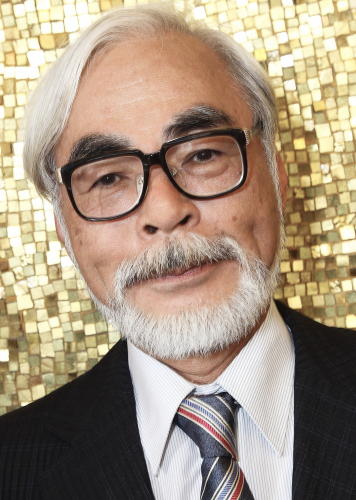
Hayao Miyazaki spent eleven years locked out of the American market rather than let anyone touch his films. Then the Oscar came.
The ad copywriter who made three games and stopped. Why that restraint matters.
In August 2009, 25,000 people sang along to a projection at Saitama Super Arena. Crypton Future Media had bet on something two years earlier that nobody else in the synthesizer business understood.
Before 'Lemon' hit 85 weeks at number one, Kenshi Yonezu uploaded 30 songs to NicoNico as Hachi: no face, no label, no real name. The anonymity was the work.
Netflix burned $70M on Cowboy Bebop and got laughed out of the industry. Then they made Edgerunners. What changed wasn't the budget.
Every other mangaka would have kept Aki alive. Fujimoto's instinct to follow through is the lesson most PMs never learn.
In 2009, Sony's head of worldwide studios played Demon's Souls for two hours and called it unbelievably bad. FromSoftware published it without them. Then they built a genre.
A creator spent 18 years failing, built a facade to get his real idea past the gatekeepers and accidentally made something true.
NieR: Automata's creator was a self-proclaimed loser who hid from his publisher, designed a game that lies to you for 20 hours and then asks you to sacrifice everything for a stranger. It sold nine million copies.
In 2026, roadmap season means AI pressure, stakeholder FOMO and planning cycles that collapse before the ink dries. Pop punk solved this exact problem with constraints, not more output.
A depressed creator ran out of money, shipped an unfinished finale anyway, faced death threats and spent 26 years iterating on the same product.
Why great PMs must be great creators. Lessons from Demon Slayer and Jujutsu Kaisen on building products people obsess over.
When three of five members walked out of a Tokyo metal band in 2023, the remaining two had a choice: fold or rebuild. They rebuilt and came back sharper.
Product management isn't dead but the old way of doing it is over. A rallying cry for PMs building in the middle of creativity and chaos.
Every YOASOBI song starts from a written story. That constraint is the reason 'Idol' became the first Japanese song to top Billboard's Global chart.
In 2015, Tom DeLonge walked away from one of the biggest bands on Earth to research UFOs. Everyone thought he'd lost it. He was building an ecosystem.
YouTuber Kize Bae gave herself 30 days to learn drums from scratch. The lesson she found behind the kit, and what turned up afterward, beats any PM framework.