Cory Barlog Fired Himself From God of War
Put this on while you read
The Handoff
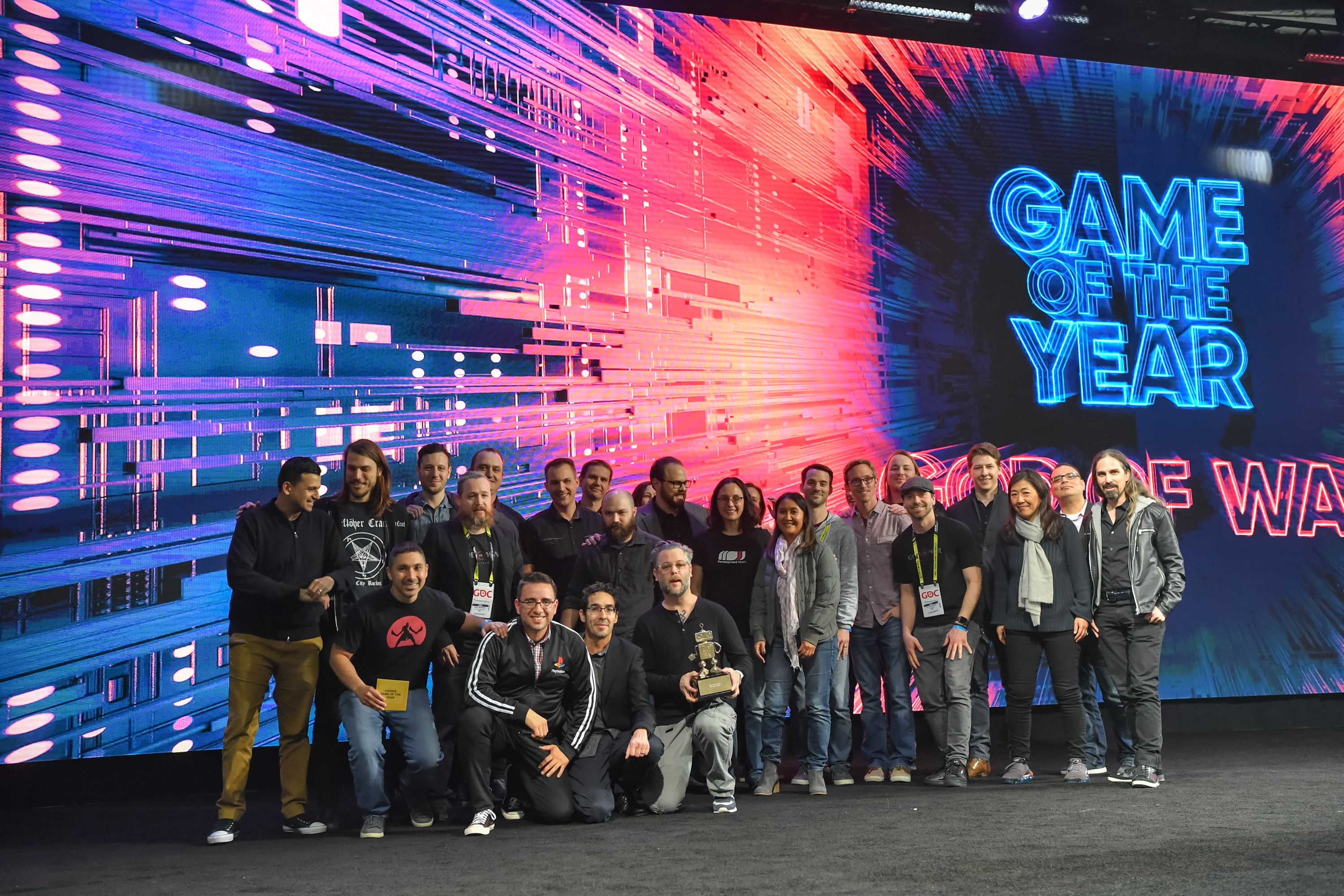
Cory Barlog directed God of War (2018) to a Game of the Year sweep at The Game Awards. Before that, he’d directed God of War II in 2007 and won a BAFTA for the writing.
When Santa Monica Studio revealed God of War Ragnarök at the 2021 PlayStation Showcase, Barlog wasn’t the one presenting it as director. Eric Williams was. Williams had joined the studio in 2004 and touched every God of War game since, but always as a combat designer, never as the person in the chair. Barlog moved to producer. He described what that felt like in an interview with GamesRadar+: Liner Note From Cory Barlog's interview with GamesRadar+ following the 2021 PlayStation Showcase reveal of God of War Ragnarök. Source ↗
Santa Monica frames the switch as tradition: rotate the director’s chair, bring in someone who hasn’t spent three years staring at the same problem. Barlog put it this way: Liner Note From Barlog's remarks on the franchise's directing rotation, via GameRant's coverage of the Ragnarök press cycle. Source ↗ He wasn’t fired. He fired himself, on a schedule the studio had already normalized before Ragnarök ever needed it.
What Actually Changed Hands
The friction showed up fast, and not where anyone predicted it would. Williams worried less about the story or the combat systems he’d spent seventeen years building than about being compared to Barlog. He ran the production his own way from day one.
His way involved GIFs and Excel spreadsheets. A lot of them. Liner Note Williams describing his team's initial reaction to his production style, reported by TechRadar during the Ragnarök press tour. Source ↗ to a director who tracked the entire game’s production against a single spreadsheet. Williams initially read their confusion as resistance. It was actually a studio that had spent years building habits around one person’s instincts for what to track and what to trust, now needing new habits for someone else’s. The org effectively swapped operating systems overnight, with no migration guide.
Barlog didn’t disappear from that process. He became what he called the sounding board: not approving decisions, but pressure-testing them. Liner Note Barlog describing his working relationship with Williams during production, from his GamesRadar+ interview. Source ↗ he said of their dynamic. It meant Williams kept the one thing hardest to hand off in any transition: a second opinion who already knew where the bodies were buried, without the veto power over calls that were now Williams’ to make.
◆ Before you read on
What's the PM move here?
Think about the last time you handed off something you were genuinely good at. What did you keep? What did you actually let go of?
You predicted:
The Discipline Nobody Puts in the Deck
Succession planning gets talked about as a staffing problem. Find someone qualified, document the runbooks, announce the transition, done. Santa Monica’s version looks nothing like that, because the hard part was never finding Eric Williams. He’d been in the building since 2004. The hard part was Barlog giving up the specific muscle memory that made him good at the job, on a timeline that had nothing to do with whether Ragnarök’s roadmap felt ready for it.
A PM who’s spent three years running a product line knows things that never made it into a doc: which stakeholder objection is real and which one is theater, and which metric moves for reasons nobody wrote down. They know which corner can be cut safely, and which one only looks safe. None of that transfers by scheduling a knowledge-transfer meeting. It transfers by the outgoing owner staying close enough to catch the mistakes that come from not having it yet, without fixing them themselves.
Williams inherited Barlog’s problems, minus Barlog’s answers, plus a producer in the room whose job was now to test Williams’ answers instead of supplying his own. Liner Note Williams on wanting Ragnarök read as continuous with, not overshadowed by, the 2018 game, from GameRant's coverage. Source ↗ He had to inherit the job fully enough that the work held together, without inheriting so much of the previous owner’s process that he was just running Barlog’s system with worse fluency than Barlog had.
What a Real Handoff Requires
Give up the tools, not just the title. Williams didn’t inherit Barlog’s mental model. He built his own, with spreadsheets and GIFs that looked like friction to a team calibrated on someone else’s instincts. If your successor is running your old playbook worse than you did, you handed them a title and kept the operating system.
Stay close enough to catch mistakes you can’t yet name for them. Barlog’s “sounding board” role was the mechanism for transferring judgment that never got written down, without transferring the authority that came with it.
Separate the calendar from the confidence. Santa Monica rotates directors on a studio-level cadence, not on whether the incoming director feels ready. If you wait for your successor to feel as sure as you do, you’ll wait until you’re the bottleneck again.
Ragnarök shipped in November 2022 and won Best Narrative and Best Action/Adventure Game at The Game Awards. Barlog is still at Santa Monica, reportedly serving as creative director on the studio’s next project. Nobody’s asked him to direct another God of War since.
◆ Your Take
If you stepped back tomorrow like Barlog did, what would your successor inherit: your playbook or your unanswered problems?
When you read this before, you wrote:
Your takeaway: